Vegan, pesco-vegetarian diets tied to better kidney function

February 12, 2026
2 min read

Key takeaways:
- Associations between diet and kidney function differed by age, sex and other characteristics.
- The association may be correlated with metabolites linked to CKD, including amino acids and lipids.
Vegan and pesco-vegetarian diets were associated with better kidney function compared with nonvegetarian diets, according to study data published in the Journal of Renal Nutrition.
In addition, the protective effect that vegan and pesco-vegetarian diets may offer patients with chronic kidney disease could be driven by metabolic pathways, according to Fayth M. Butler, PhD, associate professor in the Center for Nutrition, Healthy Lifestyles and Disease Prevention at Loma Linda University School of Public Health in California, and colleagues.

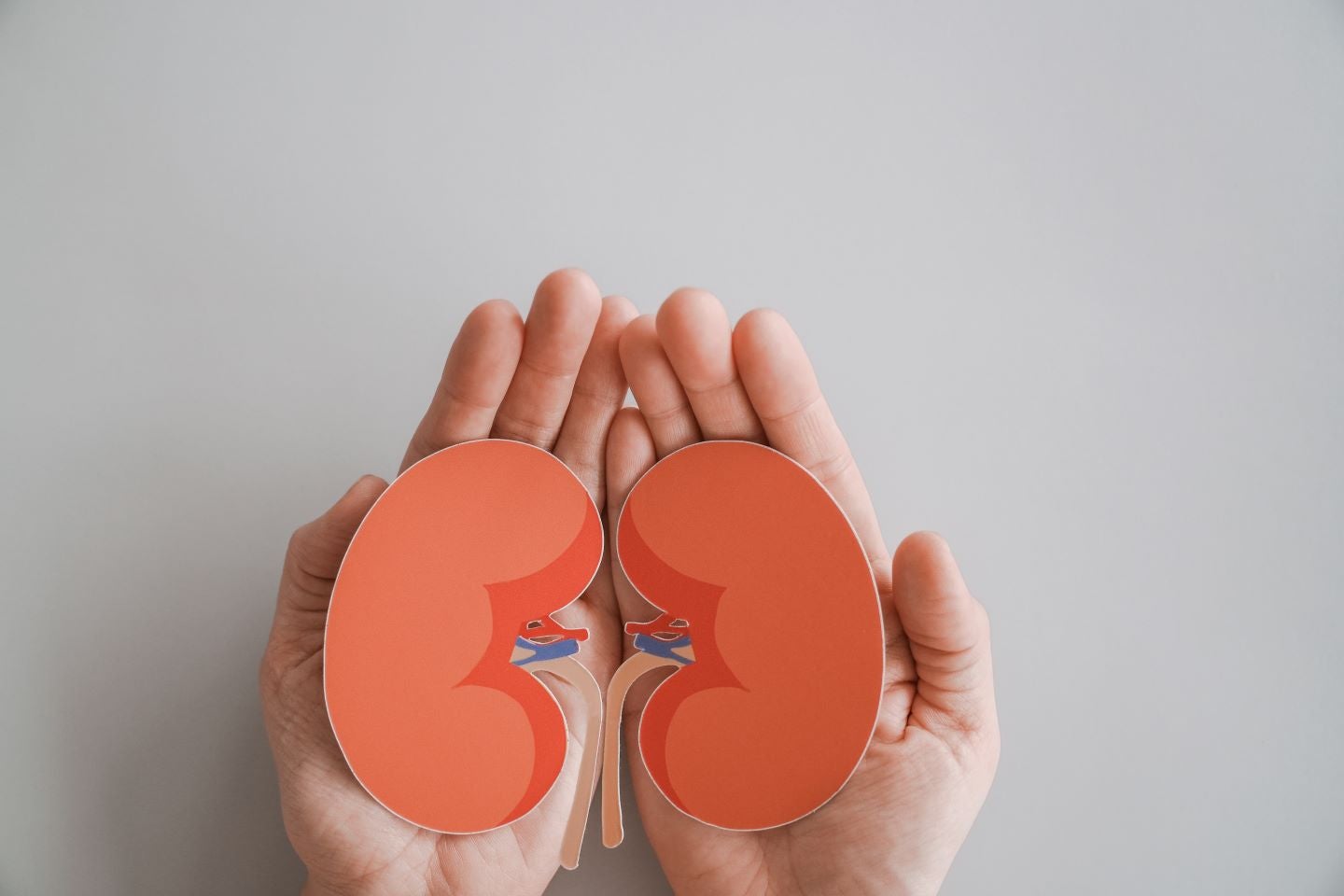
Vegan and pesco-vegetarian diets were associated with better kidney function compared with nonvegetarian diets. Image: Adobe Stock
Although plant-based diets have been associated with lower incidences of hypertension, diabetes and mortality in previous studies, the specific mechanisms that contribute to these benefits are unclear, Butler and colleagues wrote.
To better understand these effects, the researchers reviewed patient data from the Adventist Health Study-2, a cohort with shared cultural and religious beliefs and lifestyle practices. From that cohort, 899 patients (mean age, 66.7 years) were classified by their dietary habits, including vegan, lacto-ovo-vegetarian, pesco-vegetarian, semivegetarian or nonvegetarian. More than half of patients in each group had CKD stage 2, except for patients on a pesco-vegetarian diet, of whom 46% had stage 2 kidney disease.
The primary outcome was serum creatinine eGFR, with associations evaluated in conjunction with a patient’s dietary habits. The researchers observed associations between eGFR and diet across four linear regression models:
- model 1: adjusted for race, sex, age and creatinine batch;
- model 2: adjusted for model 1 variables, education, smoking and alcohol intake;
- model 3: adjusted for model 2 variables and BMI; and
- model 4: adjusted for model 3 variables, diabetes, hypertension, CVD and cancer history.
In addition, untargeted plasma metabolomics were performed on 139 patients to assess potential associations between eGFR, diet and metabolic pathways.
Data showed that vegan and pesco-vegetarian diets were associated with significantly higher eGFR compared with nonvegetarian diets in the fully adjusted model, according to the researchers.
For patients aged 65 years or older, the pesco-vegetarian diet was linked to significantly higher eGFR in the first and second models, and a vegan diet was associated with higher eGFR in only the second model, according to the researchers. For patients younger than 65 years, vegan diets were associated with higher eGFR only in the first model, the researchers wrote.
Additionally, pesco-vegetarian diets were associated with higher eGFR across all four models for white women, according to the researchers. Vegan diets were associated with higher eGFR for white women in the first two models and for white men in the first three models, they wrote.
Significant associations were not found for Black women or Black men, but vegan diets trended toward significance for Black men in some models, according to the researchers.
“The lack of association among Black females, unlike other subgroups that showed positive associations or trends, may reflect differences in dietary exposures, sociocultural factors or unmeasured biological/genetic and environmental influences,” the researchers wrote.
After metabolomic analysis, the researchers identified 296 distinct metabolites linked to creatinine measurements. From the data, creatinine level had positive associations with various lipid and amino acid subclasses, including histidine metabolism, lysine metabolism and plasmalogens. These metabolites may provide a protective effect when at lower levels compared with nonvegetarian diet metabolites, according to the researchers.
“Plasma metabolites, predominantly lipids and amino acids, were less frequently found in vegetarians but associated positively with serum creatinine levels,” the researchers wrote. “This suggests that lower availability of these metabolites may reflect either protective effects of vegetarian diets on kidney function, or reduced accumulation due to impaired renal clearance.”
The potential protective effects of plant-based diets for patients with CKD warrant further study, according to the researchers.
“These metabolite profiles, particularly in vegans, suggest that plant-based diets may mitigate pathways contributing to kidney dysfunction, and hold promise for promoting kidney health,” they wrote.
Perspective
Back to Top

Butler and colleagues used an innovative study design to further explore the associations between dietary patterns and metabolites on kidney function. The Adventist Health Study dataset provides an opportunity to increase understanding of the impact of vegetarian dietary patterns on kidney health, with some limitations related to the lifestyle and demographics of the participants.
The definition of plant-based diets has eluded standardization, creating confusion for consumers and clinicians alike. The well-defined categories of plant-based and nonvegetarian diets used in this study add helpful clarity and could be a model for future research.
There is a growing body of evidence that plant-based diets are renoprotective and can slow the progression of CKD. Higher net endogenous acid production levels are associated with dietary intake of animal-derived proteins and are associated with chronic metabolic acidosis. This higher acid load creates additional stress on the kidneys, particularly in the context of existing CKD. The current Kidney Disease Outcomes Quality Initiative nutrition guidelines include recommendations for adults with CKD stages 1 to 4 to reduce net endogenous acid production through increased dietary intake of fruits and vegetables, which have an alkalinizing effect. Decreasing intake of animal-derived proteins, which are acid-forming, can further reduce net endogenous acid production, decreasing burden on the kidneys.
The authors note the limitations of their findings based on the age of the participants, among other things. It would be helpful to see future research that includes markers of kidney disease or damage in addition to eGFR to differentiate between age-related changes in kidney function. Conducting similar research in a more diverse population of participants could also increase the generalizability of the findings.
Registered dietitians specializing in CKD are demonstrating the impact of plant-based diets on progression, or even regression, of CKD as defined by eGFR in case examples. Further research evaluating well-defined plant-based diets with or without analysis of metabolites in people with CKD stages 3 to 5 would further increase understanding and add to the evidence favoring this dietary pattern as a preventive tool in CKD.
Rory C. Pace, MPH, RD, CSR, FAND, FNKF
Disclosures: Pace reports no relevant financial disclosures.

Ask a clinical question and tap into Healio AI’s knowledge base.
- PubMed, enrolling/recruiting trials, guidelines
- Clinical Guidance, Healio CME, FDA news
- Healio’s exclusive daily news coverage of clinical data
link