Kidney Biomarkers May Help Identify Older Adults’ Risk for Cognitive and Physical Decline

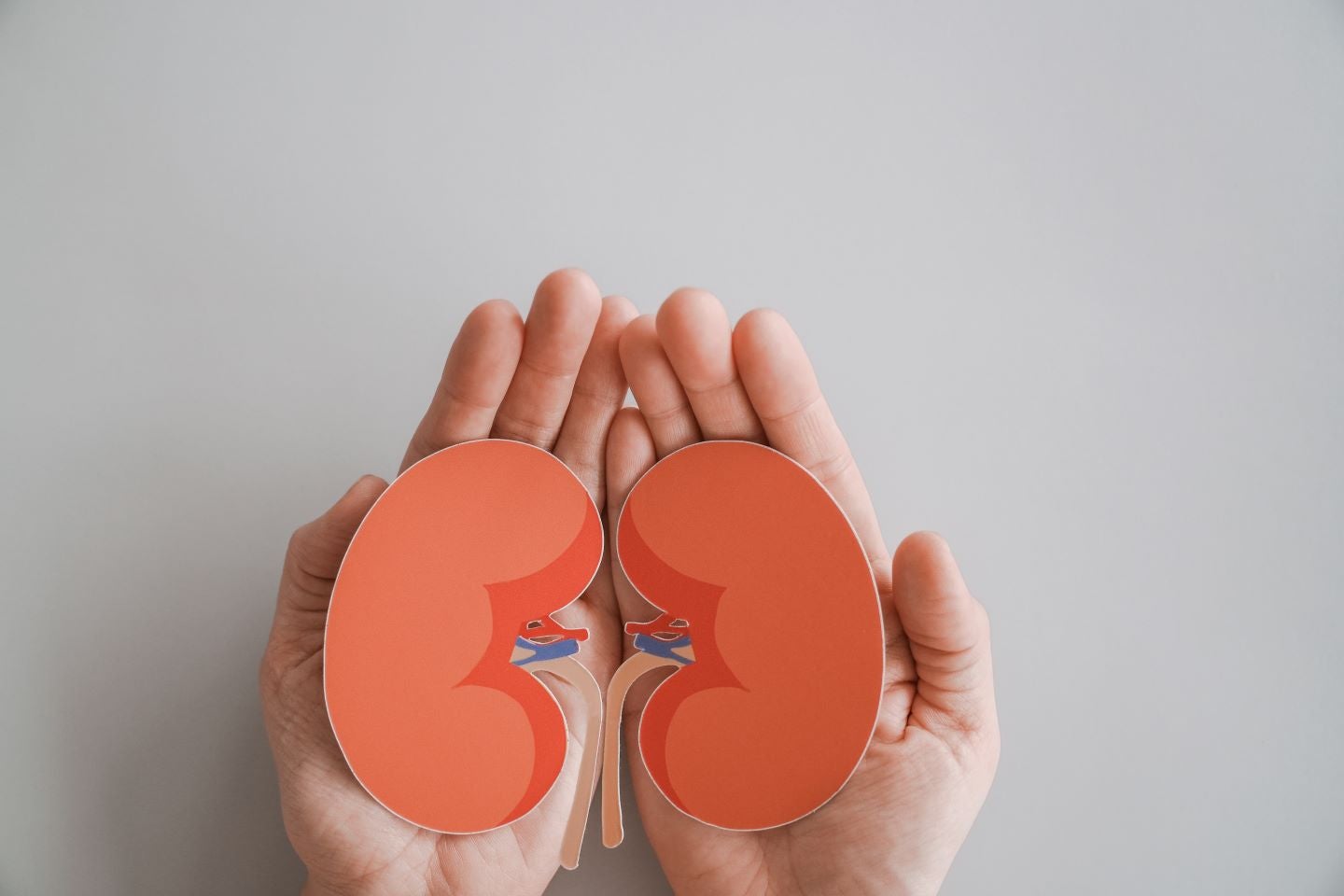
Patients with chronic kidney disease, end-stage renal disease, and kidney failure commonly experience accelerated aging. In addition, poor cognition has been well documented among patients with renal disease. However, it is unclear whether biomarkers of kidney health are associated with declining cognitive and physical capacities, either separately or together.
Aman Shrestha, MGS, MA, and colleagues conducted a study designed to determine how biomarkers associated with kidney health are related to simultaneous declines in cognitive and physical health in community-dwelling older adults.
“Chronic kidney disease has long been considered a model of accelerated aging. However, less is known about the role of kidney health in multiple dimensions of age-related declines in older adult populations with low burden of diagnosed kidney disease,” co-author Michelle Shardell, PhD, told Nephrology Times. “Since most older adults prioritize maintaining independent living, we looked at cognitive and physical performance.”
The researchers used measures of 20-meter usual gait speed (in meters per second) at annual visits in years 3, 4, 5, 6, 8, and 10 to evaluate physical performance and the modified Mini-Mental State score (3MS; range, 0-100), measured at years 3, 5, 8, and 10, to evaluate cognitive performance.
The study examined renal-related biomarkers (estimated glomerular filtration rate [eGFR], urine albumin-to-creatinine ratio [UACR], serum 25-hydroxyvitamin D, plasma intact parathyroid hormone (iPTH), plasma alpha-klotho, serum intact fibroblast growth factor 23 [FGF23], and vitamin D metabolites) in comparison with joint trajectories of cognitive and physical performance.
Using baseline biomarkers, the researchers stratified 1,902 participants in the Health, Aging, and Body Composition Study into three groups: group 1 (n=660), superior longitudinal cognitive and physical performance; group 2 (n=744), high sustained cognition and initially lower, declining gait; and group 3 (n=498), lower initial cognitive and physical performance, with steep declines in both. Using covariate adjustment, the researchers built three sequential multinomial regression models.
The average age of participants in the cohort was 74 years. Fifty-three percent of participants identified as female, and 26% identified as Black. Most had post-secondary level education (56%) and were current drinkers (56%); 47% were former smokers. Group 1 had the lowest percentage of current smokers (4%) and the highest percentage of current drinkers (65%). Forty-one percent rated their health as good, and 33% rated it as very good.
In model 1, after adjustment for log2-transformed UACR and other covariates, researchers observed an association between each increment of 10 mL/min/1.73 m2 in eGFR and 16% of lower odds of being in group 3 than in group 1 (odds ratio [OR], 0.84; 95% CI, 0.75-0.94; P=0.003). Although the overall association between eGFR and group assignment was statistically significant, the association between group 2 and group 1 had limited evidence (OR, 0.91; 95% CI, 0.83-1.01; P=0.076).
There was an association of doubling of UACR (measured in milligrams per gram) with 13% higher odds of being in group 2 and 23% higher odds of being in group 3 (OR, 1.13; 95% CI, 1.04-1.23; P=0.006 and OR, 1.23; 95% CI, 1.12-1.36; P<0.001, respectively).
In model 2, investigators added 25-hydroxyvitamin D and iPTH to the variables, resulting in no significant impact on the findings in model 1. When alpha-klotho and intake FGF23 were added in model 3, there was a slightly higher ability to predict the dual-trajectory of gain and cognition compared with model 2.
“The results of our study highlight the importance of multiple biomarkers to measure kidney health,” Shrestha explained to Nephrology Times. “For example, albuminuria was associated with accelerated dual cognitive-physical decline and substantive physical decline only, whereas estimated glomerular filtration rate was only associated with dual decline. In addition, lower levels of the emerging biomarker alpha-klotho and higher serum intact fibroblast growth factor 23 hormone were associated with accelerated dual cognitive-physical decline.”
Shrestha added, “These findings suggest that routinely measured kidney function biomarkers, alongside newer biomarkers, may help identify individuals at risk for unfavorable aging trajectories well before overt kidney disease develops, reinforcing the interconnected nature of kidney, brain, and physical function in aging.”
link