What Should You Eat or Drink After Throwing Up?
Throwing up is miserable, isn’t it? When your digestive system shifts violently into reverse, and that meal you just ate comes back to see the light of day, you’re left feeling drained, shaky and unsure what to do next.
Advertisement
Cleveland Clinic is a non-profit academic medical center. Advertising on our site helps support our mission. We do not endorse non-Cleveland Clinic products or services. Policy
After vomiting, recovery usually comes down to the same basic questions: What should you eat after throwing up? And what, if anything, should you drink to help settle your stomach?
Family medicine physician Matthew Goldman, MD, offers tips for how to recover, as well as what not to do.
6 tips for what to do after puking
The good news is that getting better doesn’t require complicated remedies. With a little patience and the right food and drink choices, you may be able to ease your nausea, protect your stomach and start feeling better ASAP.
1. Give it some time
Right after vomiting, it’s best to give your stomach a short break. Instead of heading right to the fridge or faucet, give yourself a grace period of a few hours.
“Even if you think you’re feeling better, your stomach needs time to calm down,” Dr. Goldman says. “Eating or drinking too soon can trigger another round of vomiting.”
2. Start with small sips of water
After vomiting, make hydration your main focus. That’s because throwing up causes your body to lose fluids, which can lead to dehydration that makes nausea and weakness worse.
Start by sucking on ice chips or drinking small sips of water every 15 minutes.
“If you find that you can’t hold down water, even after several hours, that’s a sign that you may need medical care,” Dr. Goldman warns.
3. Incorporate other clear liquids
Once your body has proven that it can handle water, it’s OK to start working in other types of clear fluids, like:
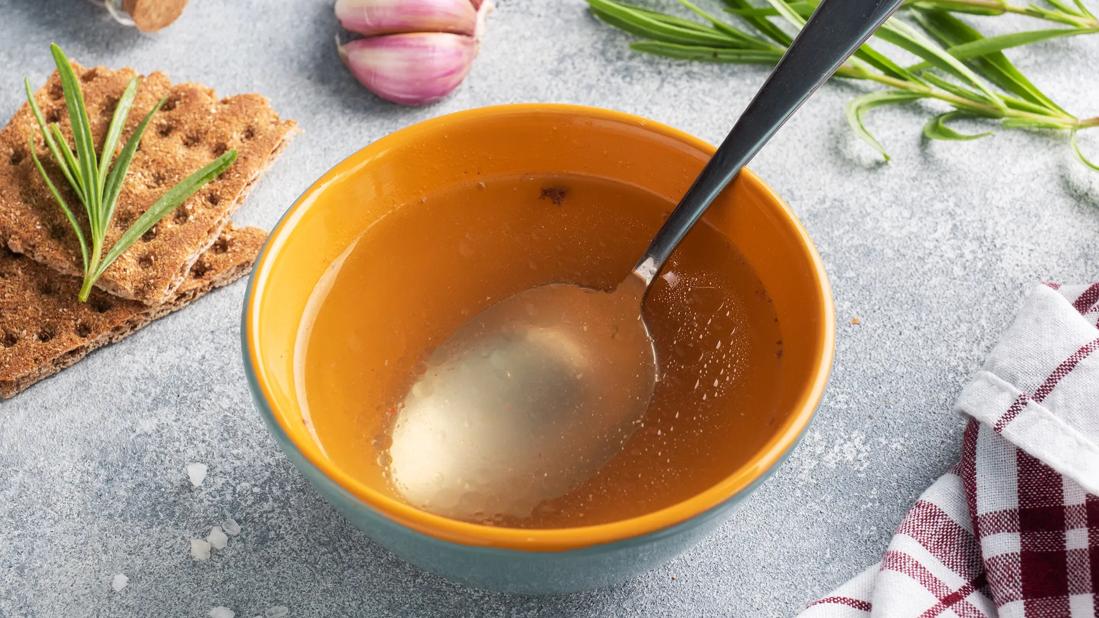
- Clear broth
- Watered-down electrolyte drinks
- Ice pops
- Jell-O®
Considering a sports drink? You may be better off diluting an oral rehydration solution (for example, Pedialyte™). These drinks are made with water, glucose, sodium and potassium, and they’re specifically designed to rehydrate you.
“We often recommend diluted oral rehydration solutions over sports drinks for better electrolyte balance, as they reduce dehydration risk more effectively,” Dr. Goldman explains.
4. After liquids, turn to bland foods
When you’ve been able to keep down liquids for a few hours, your appetite may start to return. But no steak dinners just yet.
Begin by eating small amounts of bland food that are easy on the stomach, like:
- Applesauce
- Bananas
- Crackers
- Plain oatmeal
- Toast
“Bland foods tend to be best because they require less digestion,” Dr. Goldman notes. “They put less demand and irritation on your stomach lining and intestines.”
5. Avoid anything that can irritate your stomach
Just as important as knowing what to eat is knowing what foods to avoid after throwing up.
“Some foods can irritate the stomach lining and lead to an increase in urination, which can lead to dehydration,” Dr. Goldman cautions.
Steer clear of:
- Acidic foods, like citrus fruits and tomatoes
- Dairy products
- Fried or greasy foods
- Spicy foods
- Sugary foods and drinks
- Drinks that contain alcohol or caffeine
6. Small meals only
When you’re feeling well enough to eat, start with small meals that you eat slowly — and more frequently, if you find that you’re hungry enough for it. Just don’t head right into a big feast.
“The thinking here is similar to eating bland foods,” Dr. Goldman says. “Small people require less digestion, which equals less irritation and demand on your GI tract while it recovers.”
What NOT to do
It can be tempting to try to speed up your recovery process, but sometimes, well-intentioned actions can make you feel worse. Here’s what to avoid:
- Don’t force yourself to throw up. “If your body needs to vomit, it will,” Dr. Goldman says.
- Don’t rush back to normal meals. Working heavy or rich foods back into your diet too soon can bring back nausea.
- Don’t lie flat immediately after eating or drinking. Staying upright helps reduce reflux and discomfort.
When to see a doctor after vomiting
A standalone episode of vomiting isn’t usually cause for concern, Dr. Goldman says. If you throw up and immediately feel better, there’s likely no need for special long-term precautions or medical care.
But if your vomiting is frequent or prolonged, it’s important to figure out what’s causing it so you can feel better.
“If you haven’t been able to keep anything down for 24 to 48 hours, come in to be evaluated,” Dr. Goldman advises. “And come in even sooner if you’re part of a vulnerable group, like if you’re pregnant or have a weakened immune system.”
You may need IV fluids to treat dehydration. And your doctor might also recommend that you have some imaging done to help pinpoint the problem.
And you should seek medical attention if your vomiting is accompanied by any of these other concerning symptoms:
- A fever of 101 degrees Fahrenheit (38.33 degrees Celsius) or higher
- Black, tarry poop
- Blood in your vomit
- Confusion
- Dark urine or no urination in more than five hours
- Dehydration, dry mouth or excessive thirst
- Dizziness or difficulty standing
- Green vomit (bile)
- Muscle cramping
- Severe chest or abdominal pain
- Significant headaches
- Stiff neck
“Vomiting can cause severe dehydration, which can lead to serious complications,” cautions Dr. Goldman. “Your body depends on good circulation to carry oxygen and nutrients throughout it. But if you don’t have enough fluid, that circulation can’t happen. And that can be life-threatening.”
Final thoughts
Though vomiting definitely isn’t fun, it does serve a purpose. It’s a reflex that your body uses to protect itself — and it usually bounces back soon.
“Throwing up is often your body’s way of expelling something it considers harmful,” Dr. Goldman says. “When something irritates your stomach or digestive tract, your brain triggers nausea and vomiting to help get rid of the problem.”
Don’t ignore severe or ongoing symptoms. But beyond that, knowing when to rest and recover at home — including what to eat and what to avoid — can help you prevent complications and start feeling better soon
link