People at risk of kidney disease require yearly testing
Kidney disease is a silent condition that often goes unnoticed until it’s advanced

Article content
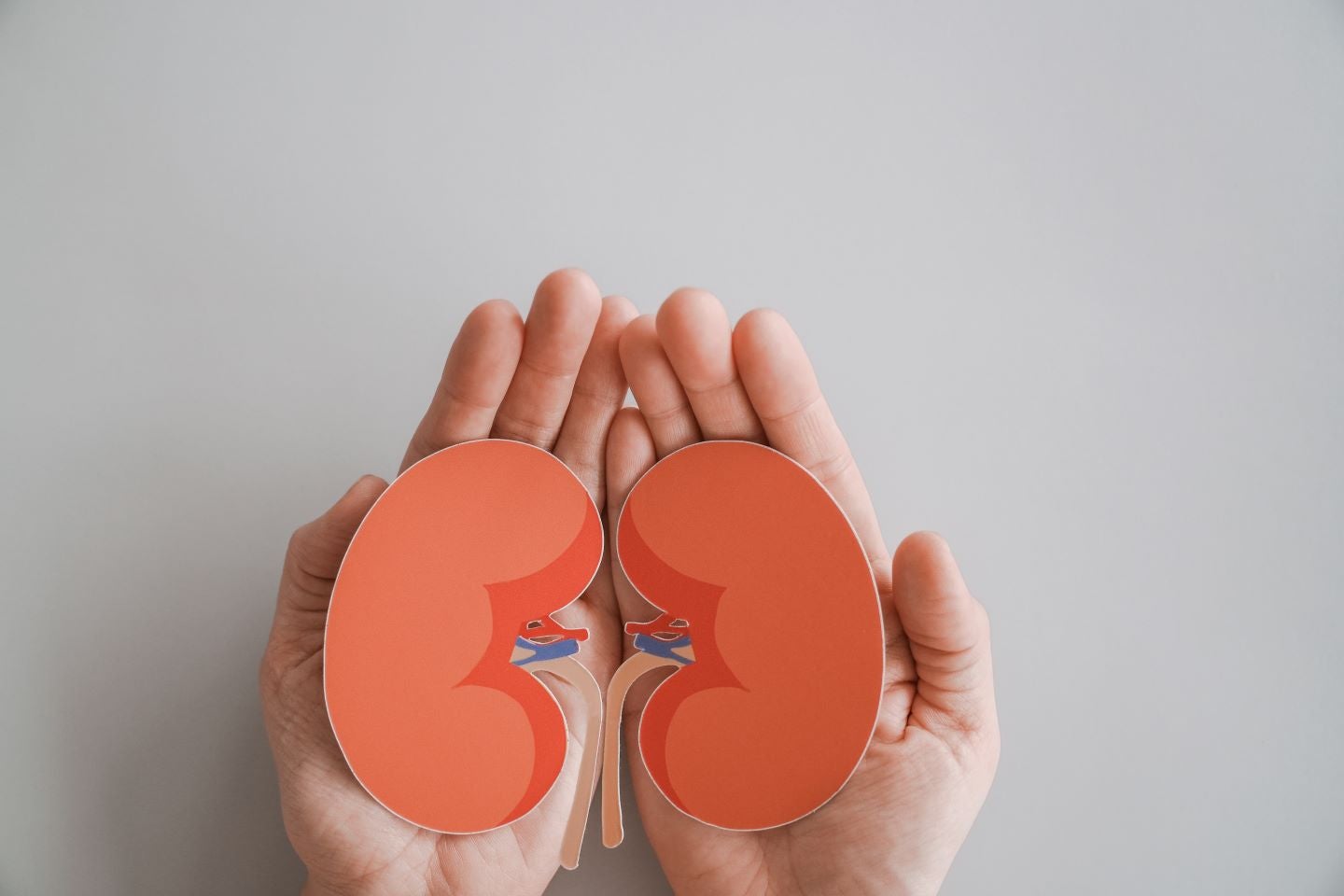
Kidneys are vital to your overall health. These remarkable organs remove waste from your body through urine, help produce red blood cells and regulate blood pressure. One of their primary functions is to filter waste from the blood and return the cleaned blood back into circulation.
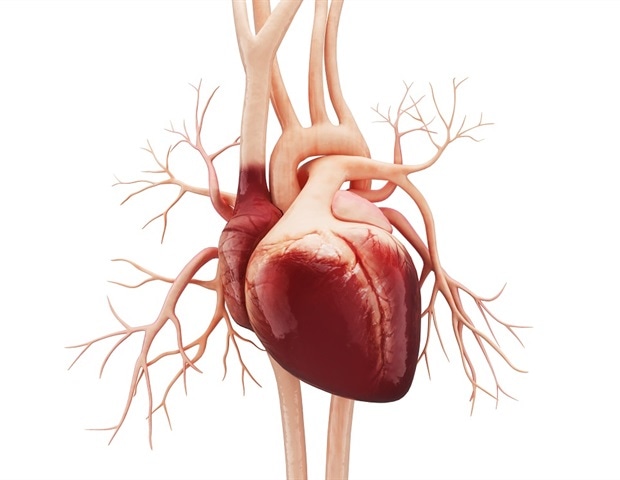
Kidney disease is common in people living with diabetes, with up to one-half demonstrating signs of kidney damage in their lifetime. All individuals with chronic kidney disease (CKD) are also considered a high risk for cardiovascular events, and should be treated to reduce these risks. Therefore, understanding the connection between diabetes, heart health and kidney function is crucial for maintaining kidney health.
Advertisement 2

Article content
CKD is especially dangerous because it’s a silent threat — it often has no symptoms until the disease has reached an advanced stage or complications have developed. This means that people can have CKD without even knowing it.
According to recent estimates, 1 in 10 Canadians currently have kidney disease; that’s 4 million people, with most being completely unaware of this.
Article content
CKD occurs when the kidneys are damaged, which affects their ability to filter the blood. The condition is divided into five stages, ranging from mild loss of kidney function (stage 1) to end-stage kidney failure (stage 5), the point at which the kidneys have failed or are close to failure and may require dialysis or a kidney transplant.
A holistic approach to care
Some of the common risk factors for kidney disease include living with diabetes, high blood pressure or having a family history of kidney disease.
“It’s important to detect changes in kidney function early as it offers a better opportunity for intervention,” says Dr. Danielle Moorman, MB BCh BAO, MSc, FRCPC Clinical Fellowship in Advanced Chronic Kidney Disease Community Nephrologist, Queensway Carleton Hospital. Diabetes, specifically, is the leading cause of kidney disease, and as many as 50 per cent of people living with either type 1 or type 2 diabetes (T2D) will develop evidence of kidney disease at some point during their lifetime.
Advertisement 3
Article content
Both diabetes and high blood pressure put added stress on the body. High blood sugar can lead to damaged blood vessels, including the kidney filters, causing decreased kidney function. Controlling blood pressure is one of the most effective ways to slow the progression of kidney disease. High blood pressure can scar the filters in your kidneys, leading to decreased kidney function.
“Monitoring for high blood pressure is an important element of care for patients with T2D or CKD as we know that controlling blood pressure can lead to improved health outcomes, including reduced risk of heart disease and stroke,” says Dr. Moorman.

Given the connection of these conditions, Dr. Moorman advocates for a holistic approach to care. While many people believe that diabetes, kidney disease and heart disease are separate conditions treated by individual specialists, the truth is they’re intricately interconnected and require a comprehensive and coordinated strategy.
Screening is essential
If you have T2D or high blood pressure, both you and your health-care professional play key roles in helping detect kidney disease. Early diagnosis and treatment are critical when it comes to CKD, as identifying kidney disease sooner may help reduce the potential for serious complications down the road. Appropriate treatment, along with diet and exercise, can help delay the progression of the disease and reduce the risk of conditions like cardiovascular complications, kidney failure or death.
Advertisement 4
Article content
To identify kidney disease early, screening is essential. There are two tests available to everyone at risk, including those living with T2D or high blood pressure, that can help assess kidney function and identify signs of damage or injury: the urine albumin-to-creatinine ratio (UACR) and the estimated glomerular filtration rate (eGFR) tests. The UACR is a urine test that detects protein in the urine, providing information about the kidneys’ health, while the eGFR is a blood test that measures how well the kidneys are filtering the blood. Both tests should be a part of regular screenings for people with diabetes or high blood pressure.
“These tests are the only ways to detect changes in kidney function early enough for us to have time to maximize our ability to intervene,” says Dr. Moorman. Both CKD and cardiovascular disease are life-threatening, and so prioritizing these tests is essential. Dr. Moorman encourages high-risk patients to advocate for early and complete testing, and for health-care practitioners to ensure that these tests are ordered on a yearly basis at minimum.
Advertisement 5
Article content
Besides screening, the basics of self-management are as pertinent as ever. Maintaining a healthy lifestyle — exercising, eating a healthy and individualized diet, maintaining a healthy body weight and controlling blood pressure and blood sugars — will always be essential.
If you are living with diabetes, have high blood pressure or have a family history of kidney disease, you’re at risk at developing CKD. Take a step towards better health by talking to your health-care provider about getting screened for kidney disease.
Visit itsconnected.ca to learn more about the link between type 2 diabetes, your heart and your kidneys.
This story was created by Healthing Content Works, Healthing.ca’s commercial content division, on behalf of Boehringer Ingelheim.
Article content
link