Individuals with type 2 diabetes urged to work with health-care teams to prevent and treat multiple risks to overall health

What do cardiovascular disease and chronic kidney disease have in common?
The answer to this question may not be obvious to many of us, who see these two diseases as separate and isolated from each other. However, they are connected. Both of them – among dozens of other health issues – share a common underlying contributing factor: diabetes.
It is important for individuals who have type 2 diabetes to understand the connected impact that diabetes has on their overall health. That way, they can empower themselves by having early conversations with their team of health-care professionals about identifying and reducing their risks of developing serious complications.
Although diabetes increases the risk of complications, prevention, early detection and effective treatment are possible when individuals and their health-care providers work together as early as possible.
Limited awareness of broader diabetes impact
In Canada, over 4 million people are living with diabetes (type 1 & type 2). Individuals with Type 2 diabetes face increased risks of developing a number of other conditions, including chronic kidney disease, heart disease or stroke, hypertension, eye damage, liver disease, and nerve damage or amputation.
Yet, knowledge about these risks appears to be limited among Canadians. A recent survey conducted for Novo Nordisk* found that a minority of respondents were aware of the connection between type 2 diabetes and its comorbidities (co-occurring diseases and medical conditions).
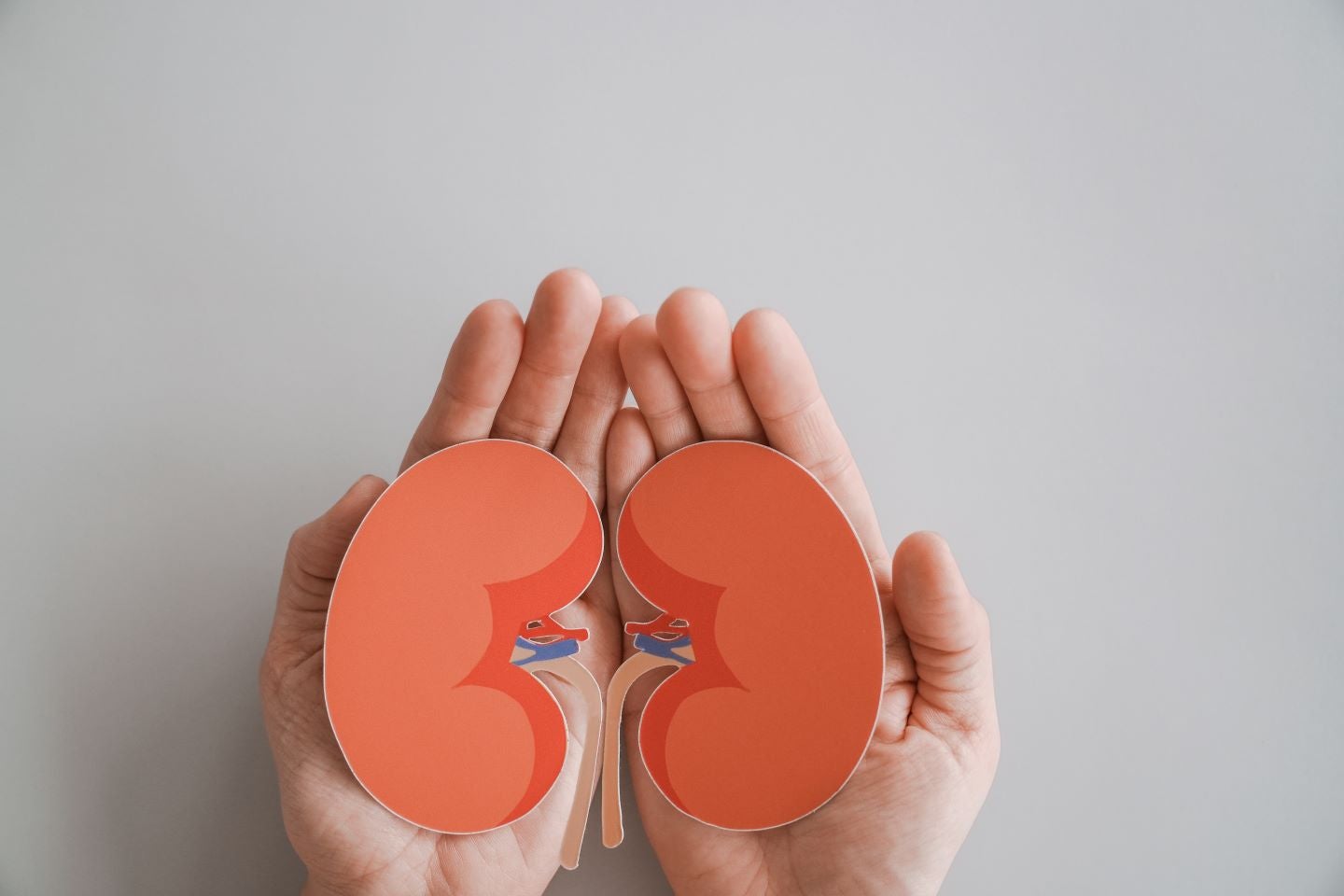
Type 2 diabetes and chronic kidney disease
Only 40% of surveyed Canadians think chronic kidney disease is related to diabetes
- Type 2 diabetes (T2D) is the leading cause of chronic kidney disease (CKD).
- Approximately 1 in 3 adults or 1.9 million Canadians living with diabetes has CKD.
- T2D and CKD are also two of the strongest risk factors for cardiovascular disease (CVD).
Connection
Over time, high blood glucose levels in patients with T2D can damage the tiny blood vessels in the kidneys, impairing their ability to effectively filter waste and excess fluid from the body. This gradual damage can lead to kidney failure if left untreated. Additionally, diabetes-related inflammation and high blood pressure often compound this risk, accelerating kidney function decline.
Early intervention
CKD frequently goes undetected because symptoms are vague or appear only after significant kidney damage has occurred. Once the kidneys fail, the only treatment options include different forms of dialysis or transplantation.
Take action
Kidney function can be preserved and complications prevented with early detection and proactive management of CKD in T2D patients Consult your health-care provider about your risk and steps to protect your kidney health.
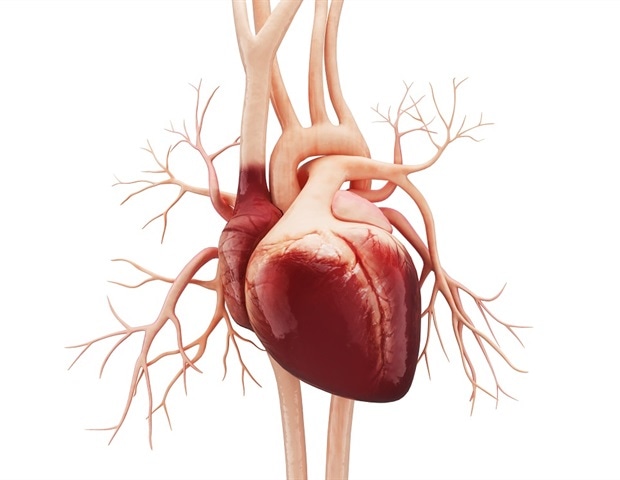
Type 2 diabetes and cardiovascular disease
Only 42% of surveyed Canadians think cardiovascular disease is related to diabetes
- Cardiovascular disease (CVD) remains the leading cause of death in individuals with diabetes.
- Adults with T2D are 2 to 4 times more likely to die from heart disease or stroke than those without diabetes.
Connection
Over time, high blood sugar damages blood vessels and the nerves that control the heart. High blood pressure, high LDL cholesterol, obesity and inflammation – common in T2D – further accelerate cardiovascular damage.
Intervention
CVD often begins silently in people with T2D, with no obvious symptoms until a major event like a heart attack or stroke. If a person has T2D, their heart may be at risk, even if they feel fine.
Take action
Don’t wait for symptoms. Talk to your health-care provider about steps you can take to protect your cardiovascular health.
Type 2 diabetes and obesity
Only 58% of surveyed Canadians think obesity is related to diabetes
- More than 80% of people with T2D also live with overweight or obesity.
- This dual burden increases the risk of complications like cardiovascular disease, kidney damage, and liver dysfunction.
Connection
T2D and obesity are interconnected chronic diseases; one often impacts the other. Obesity, particularly visceral fat, increases insulin resistance, a key driver of T2D onset and progression.
Intervention
Obesity is a chronic disease, not simply a lifestyle issue, and treating it alongside T2D can lead to better health outcomes. Weight reduction has been shown to improve insulin sensitivity, glycemic control, and delay the progression of diabetes-related complications.
Take Action
If you’re living with T2D, addressing weight as part of your care plan is essential. Talk to your health-care provider about options that support long-term weight management and better diabetes control.
Type 2 diabetes and liver disease
Only 38% of surveyed Canadians think liver disease is related to diabetes
- People with T2D are at significantly increased risk of developing fatty liver disease, particularly Metabolic Dysfunction-Associated Steatohepatitis (MASH).
- Up to 70% of people with T2D have some form of fatty liver disease.
Connection
The link between T2D and liver damage is underrecognized. A proportion of people with T2D who have fatty liver disease will progress to MASH – marked by liver inflammation and scarring, which can lead to cirrhosis or liver failure if left unmanaged. This progressive liver condition is driven by insulin resistance and is often silent until advanced stages. Obesity further increases the likelihood and severity of MASH, as excess body fat compounds insulin resistance and liver fat accumulation.
Intervention
Most people with MASH are asymptomatic and remain undiagnosed until liver function has been compromised. That’s why early intervention is key. Managing blood sugar, weight, and inflammation can help slow liver disease progression.
Take Action
If you have T2D, ask your health-care provider about your liver health and whether you may be at risk for MASH. Early testing and proactive management can help preserve liver function and prevent serious complications.
Benefits of proactive care
The connection between type 2 diabetes and conditions such as cardiovascular disease, chronic kidney disease, obesity, and liver disease underscores the importance of taking a whole-body approach to diabetes management. Each of these conditions develops gradually – often without symptoms – but early detection and proactive care can make a profound difference in long-term health outcomes. By staying informed and engaging in open conversations with your health-care team, you can take meaningful steps to reduce your risk, protect your organs, and live well with diabetes. Talk to your doctor today about ways to monitor your health and lower your risk of complications.
*Online survey conducted among adults by Proof Strategies; Oct 3–4, 2024 and May 30–June, 2025.
This article was sponsored by Novo Nordisk Canada Inc.
Advertising feature produced by Randall Anthony Communications. The Globe’s editorial department was not involved.
link