Hypertension-related kidney disease mortality has risen by 48% in 25 years, Wayne State resident’s study shows – School of Medicine News

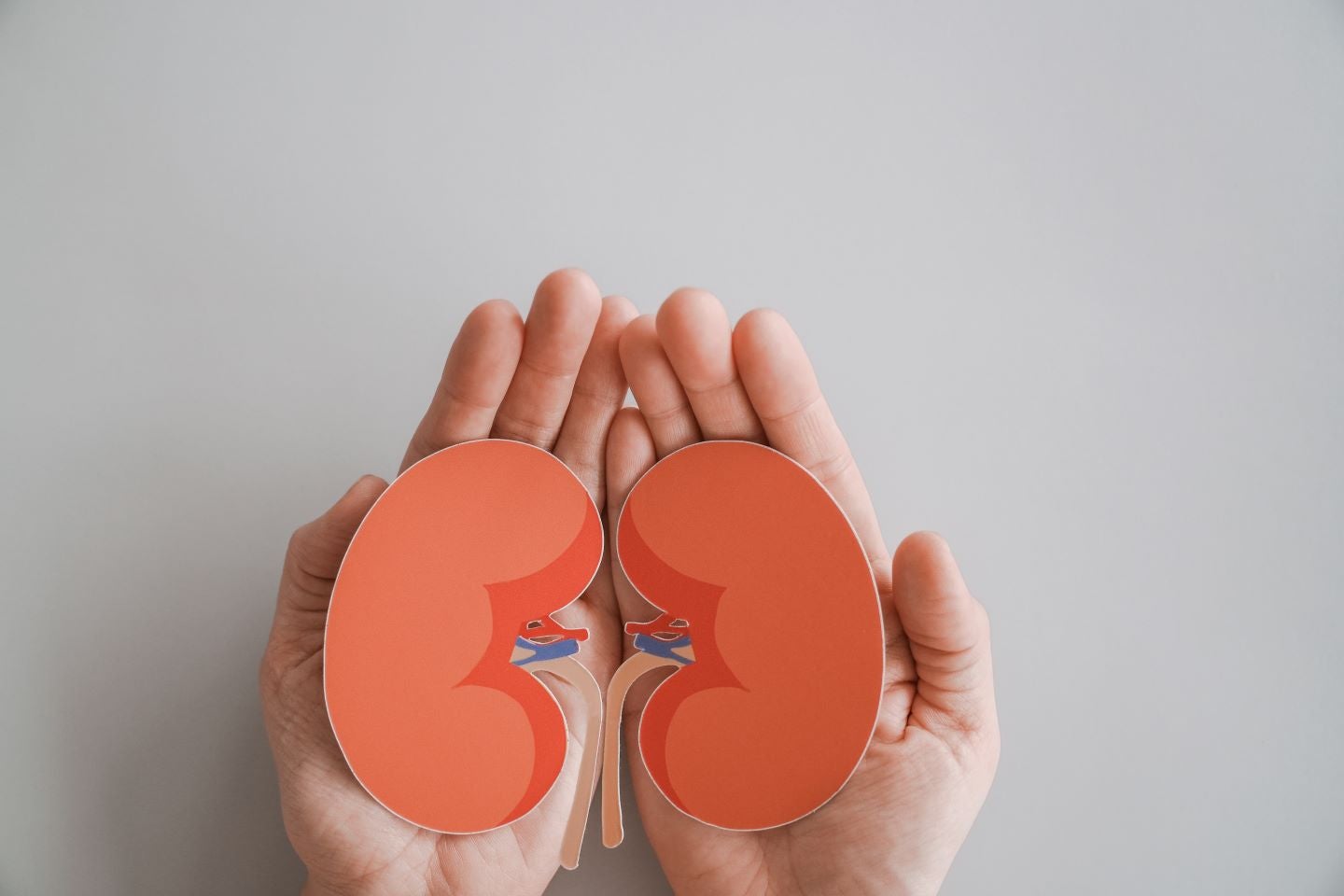
A study led by Wayne State University School of Medicine Internal Medicine resident and graduate student Joiven Nyongbella, M.D., is the first to examine 25 years of national data on hypertensive kidney disease deaths across all states and major demographic groups.
“Despite clinical advances, hypertension-related kidney disease mortality continues to rise — increasing nearly 50% over the last 25 years,” he said. “Black and Hispanic men in southern states (like Mississippi and Tennessee) bear the highest burden, revealing persistent disparities. Urgent action is needed: Better blood pressure control, early screening and equity-focused interventions can help close this gap.”
Using data from the U.S. Centers for Disease Control and Prevention’s WONDER database, Dr. Nyongbella looked at how many people in the United States died from kidney disease caused by high blood pressure during the last quarter-century, focusing on differences by sex, race, ethnicity and region. He presented “Hypertensive Renal Disease Mortality in the United States (1999–2023): A 25-Year Analysis of Trends and Sociodemographic Disparities,” at the American Heart Association’s Hypertension Scientific Sessions, held Sept. 5 in Baltimore.
The analysis found that kidney disease caused by high blood pressure resulted in 274,667 deaths from 1999 to 2023 among individuals 15 and older. From 1999 to 2023, the age-adjusted mortality rate, or AAMR, for hypertensive kidney disease deaths rose from 3.3 per 100,000 people in 1999 to 4.91 per 100,000 in 2023, an increase of 48%. Men had a higher average AAMR than women (4.48 vs. 3.69, respectively), with a 22% higher mortality in individuals with renal failure. The highest average AAMR was for individuals who were identified as Black, at 10.37 per 100,000 people, versus the range of 3.33 to 3.90 per 100,000 for people in other population groups. Hispanic individuals had a 15% higher AAMR compared to non-Hispanic individuals (4.55 vs. 3.97, respectively).
“High blood pressure isn’t just about strokes or heart attacks – it’s also a major cause of kidney disease and death, especially in Black and Hispanic communities. The message is simple: Check your blood pressure, treat it early and don’t ignore it because it can quietly lead to life-threatening kidney complications,” Dr. Nyongbella said.
High blood pressure is the second-leading cause of end-stage kidney disease and contributes significantly to morbidity and mortality, according to the AHA. Untreated high blood pressure can lead to serious outcomes, such as heart attack, stroke, heart failure and progression to kidney failure. Globally, the rate of death from chronic kidney disease increased 24% from 1990 to 2021, according to the AHA’s 2025 Heart Disease and Stroke Statistics.
Dr. Nyongbella is a third-year Internal Medicine resident at Henry Ford Rochester Hospital, and is pursuing a master’s degree in Public Health at the WSU School of Medicine.
“As a resident, I frequently encountered patients with severe hypertension and its complications in the inpatient setting,” Dr. Nyongbella said. “Despite multiple national guidelines emphasizing the importance of blood pressure control, I observed many preventable cases of end-organ damage, particularly involving the kidneys. This led me to investigate the long-term mortality burden of hypertension-related kidney disease. I’m also deeply interested in cardiology, and hypertension is a major modifiable risk factor at the intersection of cardiovascular and renal outcomes. This study reflects my interest in improving care and outcomes for patients with poorly-controlled hypertension.”
He thanked his co-authors for their contributions, “especially my mentor, Dr. Nishit Choksi, interventional cardiologist at Henry Ford Rochester Hospital, who has been a key inspiration in my interest in cardiology,” he added.
Dr. Nyongbella is now working on a manuscript he plans to submit for publication.
link