
A ‘magic bullet’ for polycystic kidney disease in the making
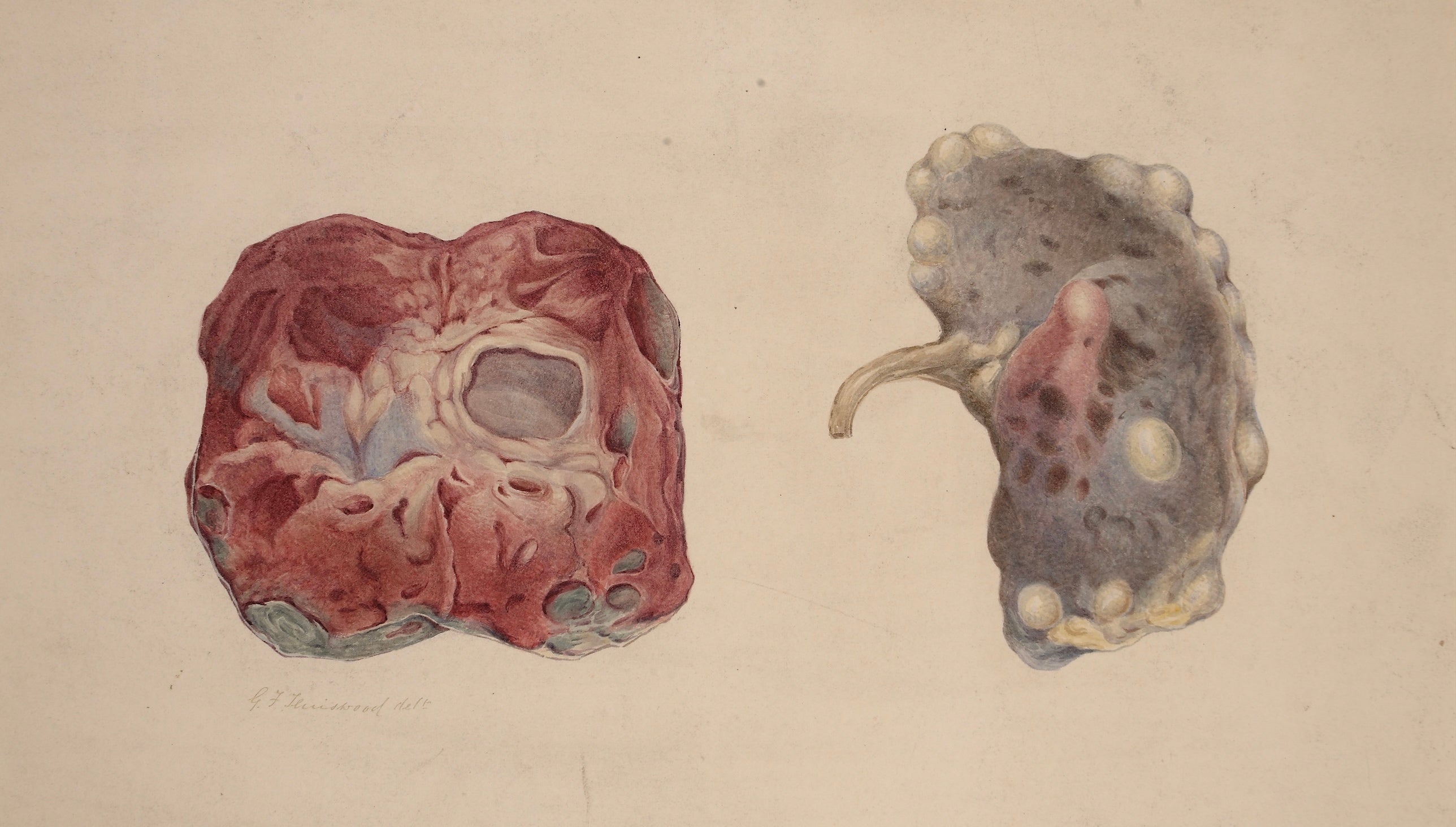
Polycystic kidney disease (PKD) is a debilitating hereditary condition in which fluid-filled sacs form and proliferate in the kidneys. Over time, the painful, growing cysts rob the organs of their function, often leading to dialysis in advanced cases There is currently no cure.
Researchers at UC Santa Barbara, however, have proposed a cyst-targeted therapy that could interrupt the runaway growth of these sacs by leveraging the target specificity of the right monoclonal antibodies — lab-made proteins that are used in immunotherapy.
“The cysts just keep growing endlessly,” said UCSB biologist Thomas Weimbs, senior author of the study published in the journal Cell Reports Medicine. “And we want to stop them. So we need to get a drug into these cysts that will make them stop.”
This research was funded in part by the National Institutes of Health and the U.S. Department of Defense.
Interrupting a runaway process
There are a variety of small-molecule drugs that promise to rein in the growth of these sacs. However, the only currently available drug that shows some effectiveness at slowing the progression of the disease comes with many side effects and toxicities to the tissues in and around the kidneys, Weimbs said. Lab-grown therapeutic antibodies are an alternative treatment that have the benefit of specificity, but the one now produced almost exclusively, immunoglobulin G (IgG), is too large to gain access into the cysts.
“They’re very successful for cancer therapy,” Weimbs said. “But IgG antibodies never cross the cell layers and they can never make it inside the cysts.” And that’s important, he added, because inside the cyst — a pocket of tissue lined with epithelial cells — is where the action is.
“Many of the cyst-lining cells actually make growth factors and they secrete them into the cyst fluid,” he explained. “And these growth factors then bind back to the same cells or to neighboring cells and continue to stimulate themselves and each other. So it’s like a never-ending scheme in which the cells just keep activating themselves and other cells in there. Our premise was that if you block either the growth factor or the receptor for the growth factor, you should be able to stop this constant activation of the cells.”
Enter dimeric immunoglobulin A (dIgA), a monoclonal antibody with the ability to cross epithelial membranes. In nature, dIgA is an immune protein that is secreted into tears, saliva and mucus as the first line of defense against pathogens. By binding to polymeric immunoglobulin receptors found on epithelial cells, Weimbs and team reasoned in a 2015 paper, the antibodies take a one-way trip through the membrane into the kidney cysts, where they can target specific receptors to interrupt the cycle that leads to the unchecked growth of the cysts.
This paper continues that line of investigation, and proves the therapeutic efficacy of the strategy by targeting a driver of cyst progression, the cell mesenchymal-epithelial transition (cMET) receptor.
link