


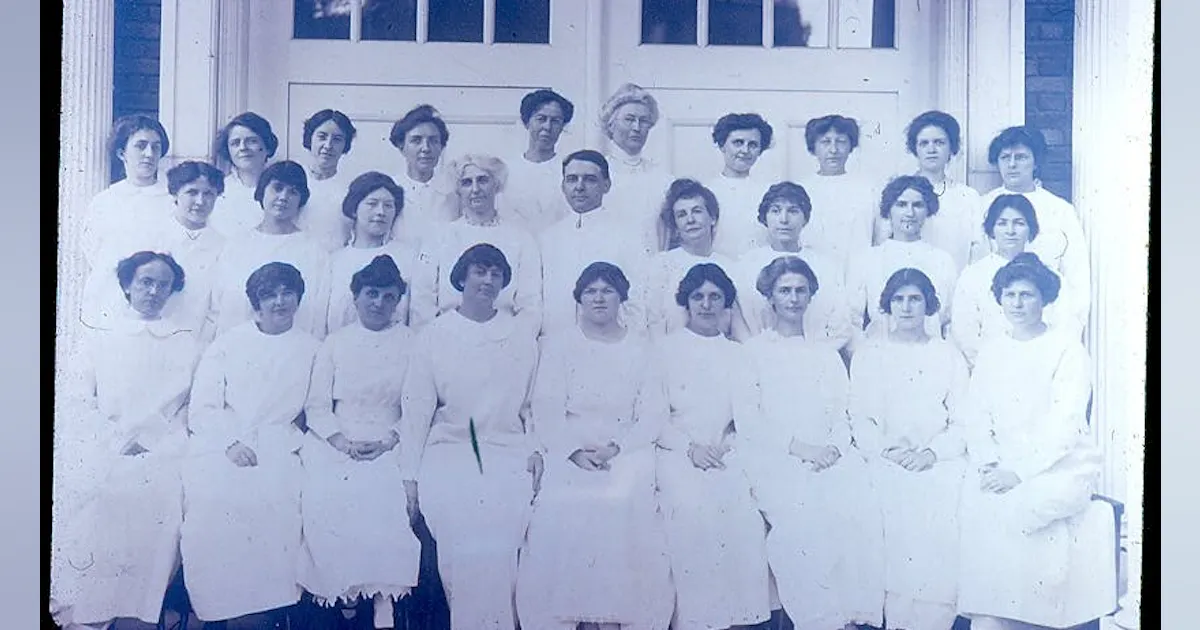
At the dawn of the 20th century, Irene Newman of Bridgeport, Connecticut, stood at the forefront of a revolutionary idea: preventive dentistry. She did not set out to become a pioneer in the formation of an essential health-care profession. Why am I discussing events from more than a century ago that shaped the dental hygiene profession? Because today, we again stand at the precipice of how dentistry is being practiced.
Burnout rates are high, job satisfaction is low, and we’re experiencing an exodus from the field by hygienists seeking better working conditions, more benefits, and respect in the workplace.1 Can looking backward help us move forward? History often repeats itself, allowing us to navigate current issues more effectively. In terms of fighting for professional recognition, autonomy, scope of practice, respect, and acceptance, dental hygiene history is certainly repeating.
Irene Newman’s story
In 1906, Jennie Irene Newman was a divorced single mother who needed a way to support herself and her son. A long-time friend of the family, Dr. Alfred Fones, recognized her intellectual curiosity and trained her to be his dental assistant. At the time, dentistry was more about emergency care than prevention.
The idea that microscopic organisms could be responsible for oral disease was new, and Dr. Fones embraced the idea.2 He taught Irene everything he’d learned about lowering the number of bacteria in the mouth, and how to scale teeth using models he made from extracted teeth mounted in plaster. After a year of one-on-one training, Irene started performing prophylaxis procedures. Dr. Fones coined the term “dental hygienist,” and Irene Newman was the first.
What Irene faced each day makes our “Sunday scaries” pale in comparison. Consider her world in 1907. One out of five people owned a toothbrush. People were not comfortable with a woman treating them, especially for a prophylaxis, which was an unknown procedure. Women were not meant to be health-care providers. They didn’t even receive the right to vote until 1920!3
Electricity was not yet available in most homes and small commercial locations, so a gas flame was used to illuminate the oral cavity. Antibiotics were not yet discovered, radiography would not be in widespread use in dentistry until the 1930s, and local anesthetic carpules were nonexistent.4,5 Patient care was done standing up by a chair that only minimally reclined.
Ergonomics was not a field of study yet, and there was no personal protective equipment or magnification. Scalers were rudimentary, and polishing was done with pumice and an orange stick. Today’s hygienists would certainly turn and run. However, in Irene Newman’s words, “The work was there to do, so I did it.”6
link